
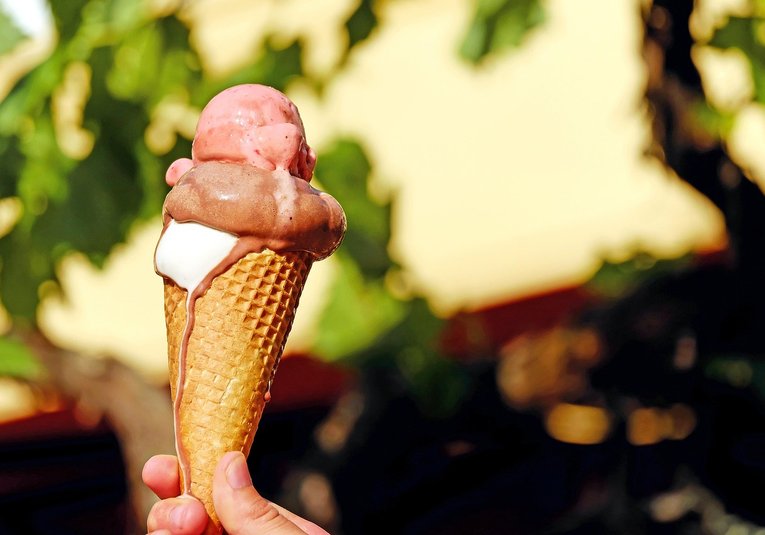
 A great sundae deserves a great cone, and homemade waffle cones are easier than you think and infinitely better than store-bought.
The Anatomy of a Perfect Sundae: Building Layers That Actually Work
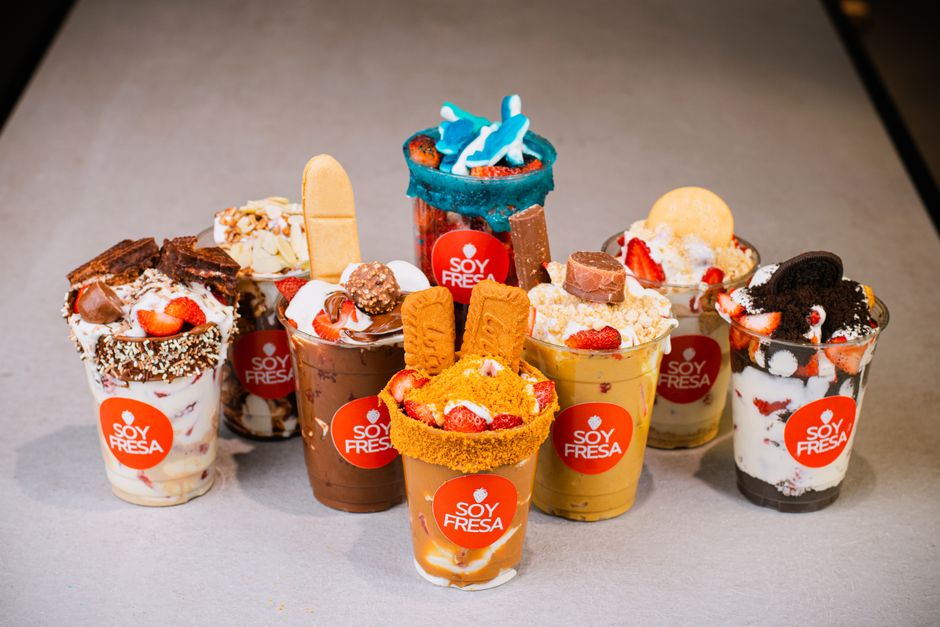
There's a moment in every great sundae when the spoon goes in and comes out with a little bit of everything — cold cream, warm sauce, something crunchy, something chewy. That moment doesn't happen by accident. It happens because someone thought about structure. A sundae is a small piece of edible architecture, and like any building, it stands or falls on how the layers relate to each other.
Most disappointing sundaes fail for the same reason: everything is dumped on top at once. The hot fudge slides off the ice cream, the sprinkles migrate to the rim of the bowl, and by the third bite you're basically eating plain vanilla with a puddle of chocolate at the bottom. The fix is simpler than you'd think.
The Four Layers Every Sundae Needs
Think of a sundae as having four distinct zones: the base, the sauce, the texture, and the finish. The base is your ice cream — usually two or three scoops, and ideally not all the same flavor. A scoop of vanilla next to a scoop of coffee or salted caramel gives you contrast without chaos. Press the scoops gently into the bowl so they hold together but don't melt into each other.
The sauce comes next, and this is where most people get impatient. Warm sauces should be drizzled between the scoops, not just over the top. Tilt the bowl slightly and let the sauce find its way into the crevices. Cold sauces, like a berry coulis or a thin caramel, work better poured over the top at the very end. If you're using both, warm goes in first, cold goes last.
Texture is the layer people forget, and it's the one that makes a sundae memorable. You want something that snaps, something that crunches, and something that chews. Toasted nuts, crushed cookies, cacao nibs, broken pretzels, or a shard of brittle all do the job. Sprinkle them over the sauce so they don't get soggy — and add them in two stages, half in the middle and half on top, so every bite has crunch.
The finish is the smallest layer and the most personal. A pinch of flaky salt, a dusting of cinnamon, a single cherry, a swirl of whipped cream that's been barely sweetened. This is where you sign your work. Keep it to one or two elements so the sundae still reads as a sundae and not a craft project.
Temperature Is the Secret Ingredient
Here's the thing nobody tells you: a sundae is a temperature story. If everything is cold, it tastes flat. If everything is hot, it turns to soup. The magic is in the contrast — cold ice cream, warm sauce, room-temperature toppings. That's why you should warm your fudge right before serving and let your nuts cool completely after toasting. It's why a room-temperature brownie under a scoop of cold ice cream beats a hot brownie every time.
You also want to serve sundaes in a chilled bowl if you can manage it. A cold bowl slows the melt, which gives you more time to eat and less time to panic. If you don't have space in the freezer for bowls, run them under cold water and dry them right before you build.
None of this is complicated, but it does require a little intention. The best sundaes aren't the ones with the most toppings — they're the ones where someone thought about what happens when the spoon goes in. Build with that in mind, and you'll never go back to the dump-and-hope method again.